
Four Days, Four Industries, One Conversation: Inside HBCUvc Startup School's Pathways to Wealth
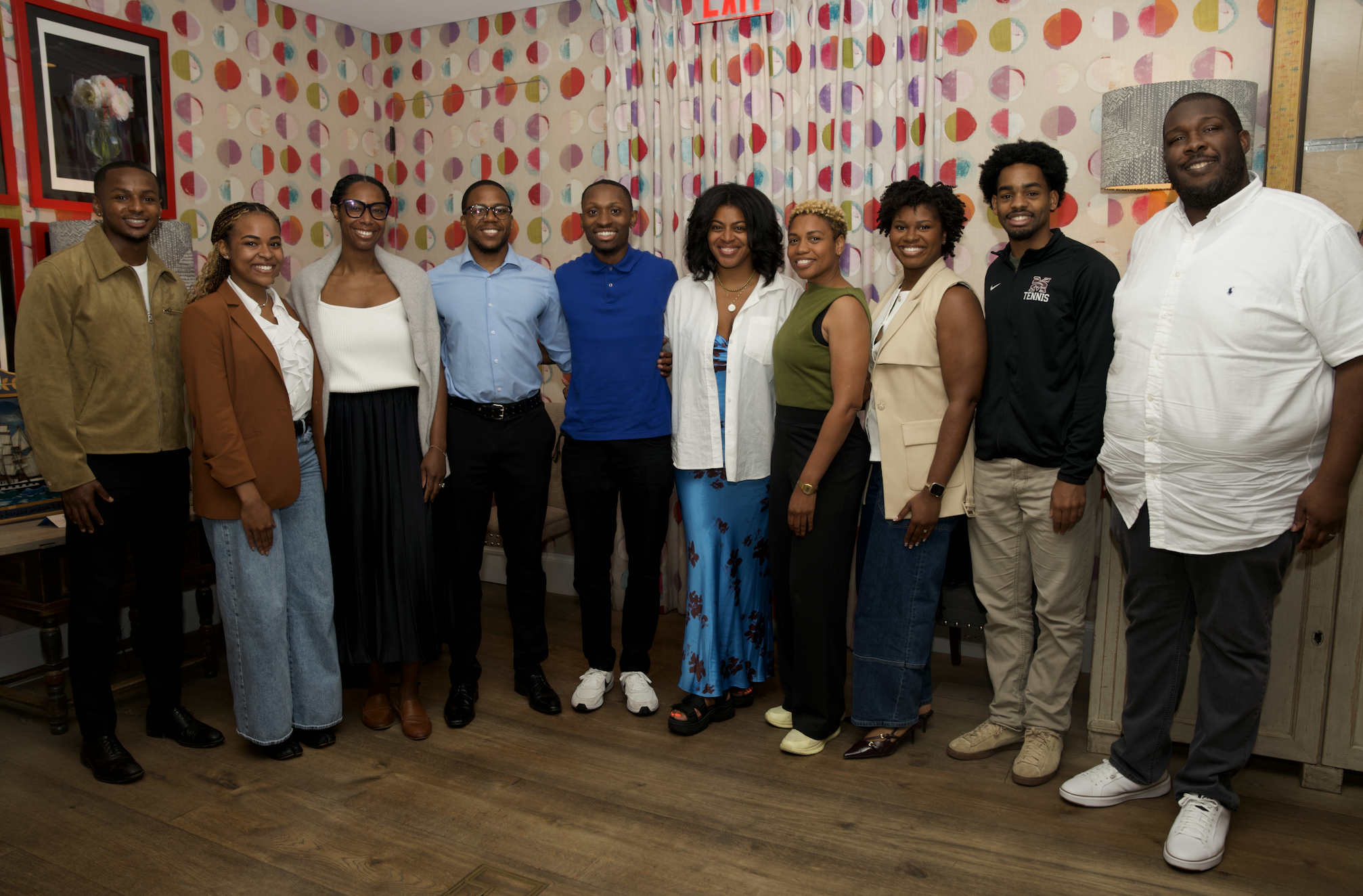
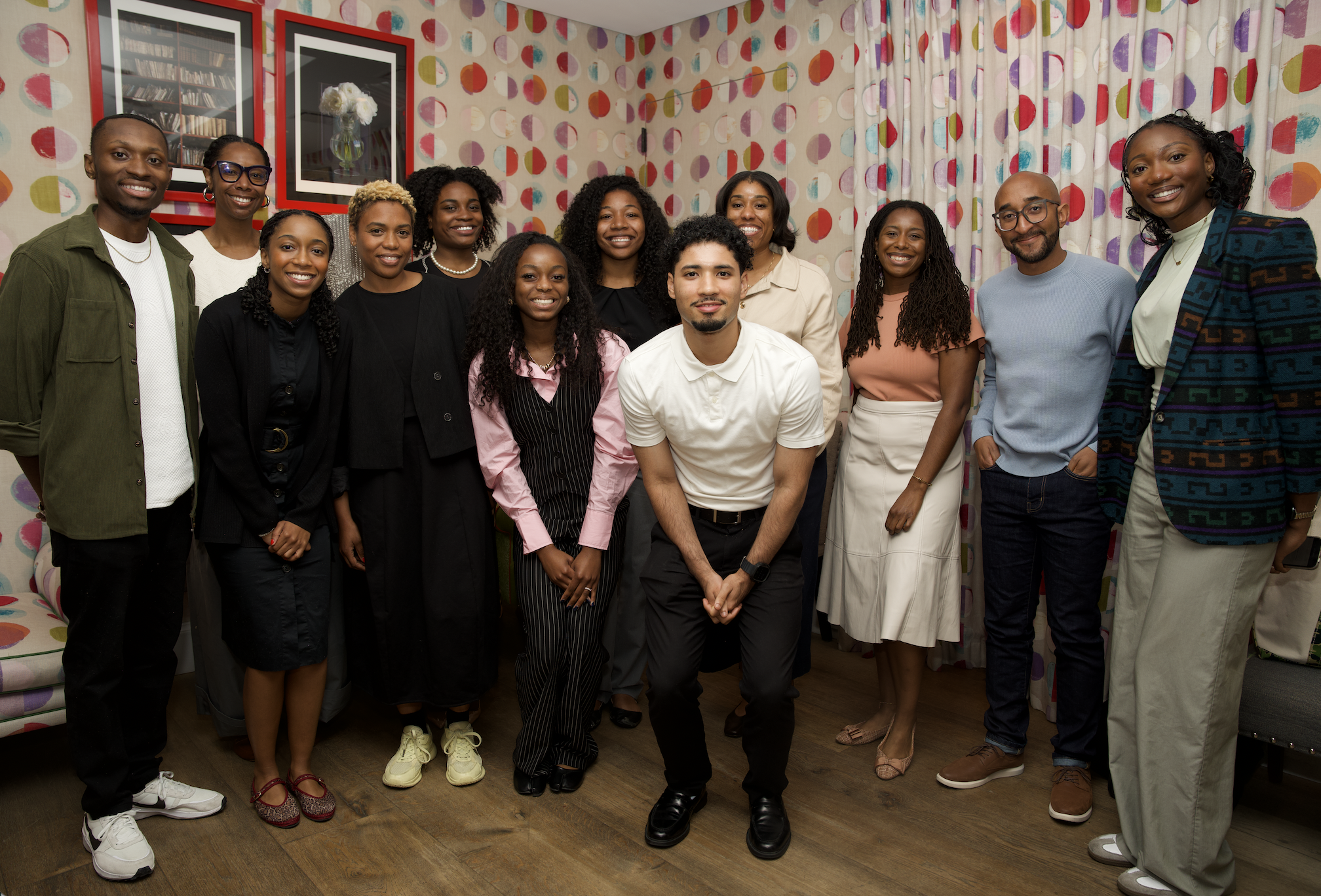
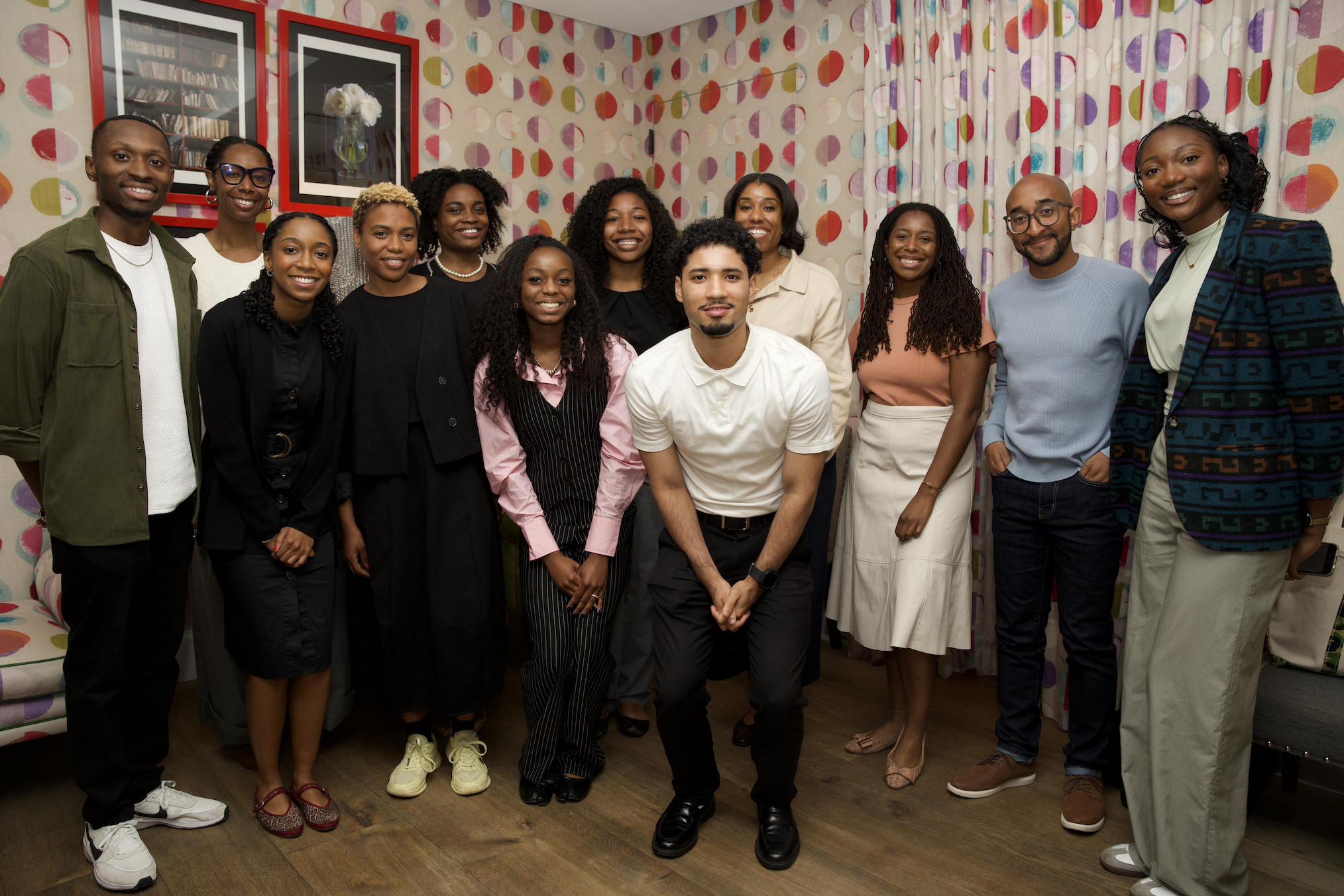
Earlier this summer, we gathered in New York City with a clear mission: to give HBCU graduating seniors and recent alumni the tools, mentorship, and community to think differently about wealth. At the 2026 HBCUvc Startup School: Pathways to Wealth, 30 HBCU alumni stepped into a four-day journey through tech, finance, social impact, and entrepreneurship — four industries, four distinct conversations, and one shared thread running underneath all of them.
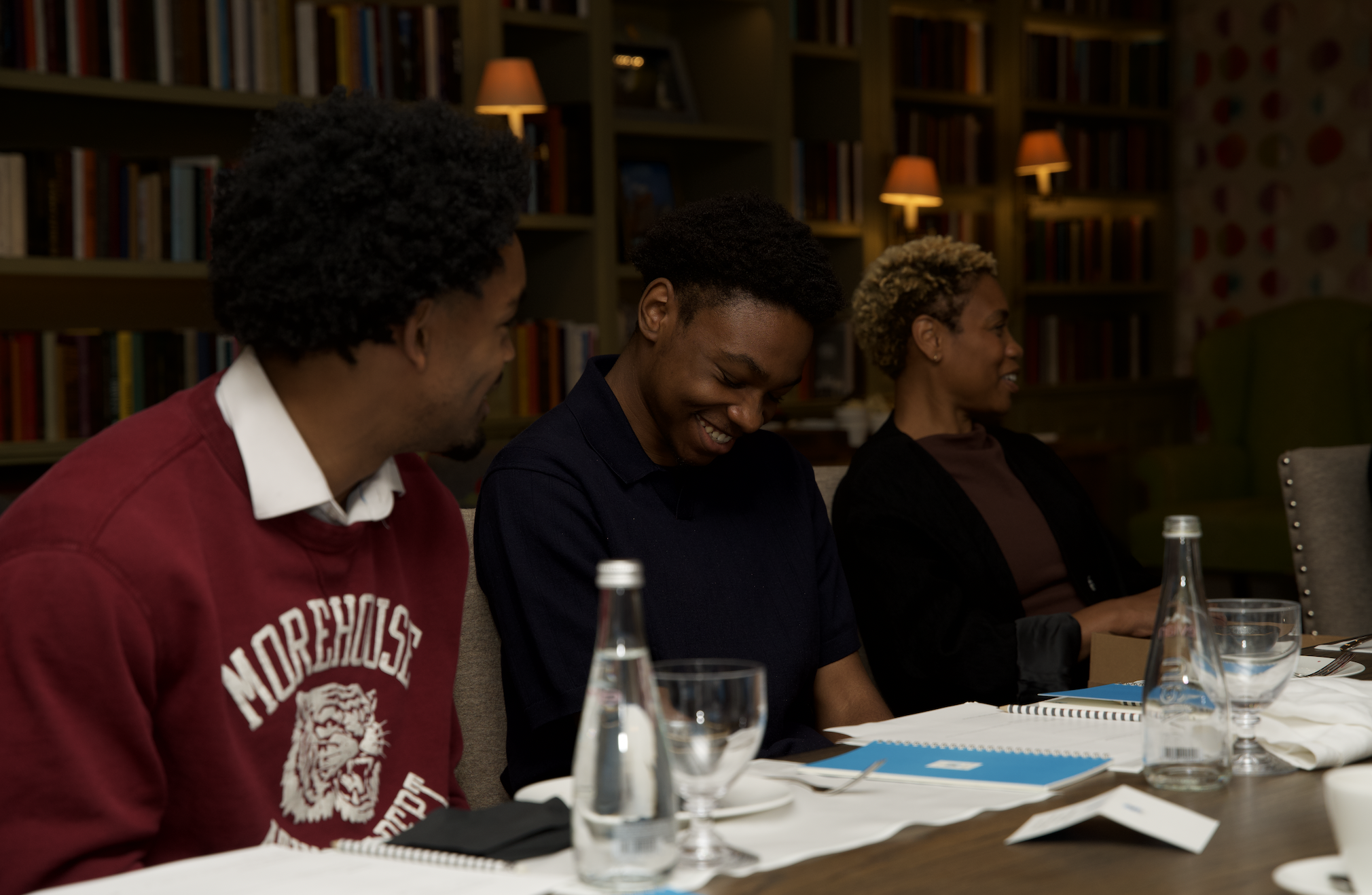
Hosted at The Whitby Hotel, the program brought together students from Spelman College, Morehouse College, Howard University, North Carolina A&T, Tuskegee University, and Morgan State University. Their academic backgrounds spanned computer science, finance, economics, international studies, and entrepreneurship, creating a room where every industry conversation had someone who could speak to it firsthand.
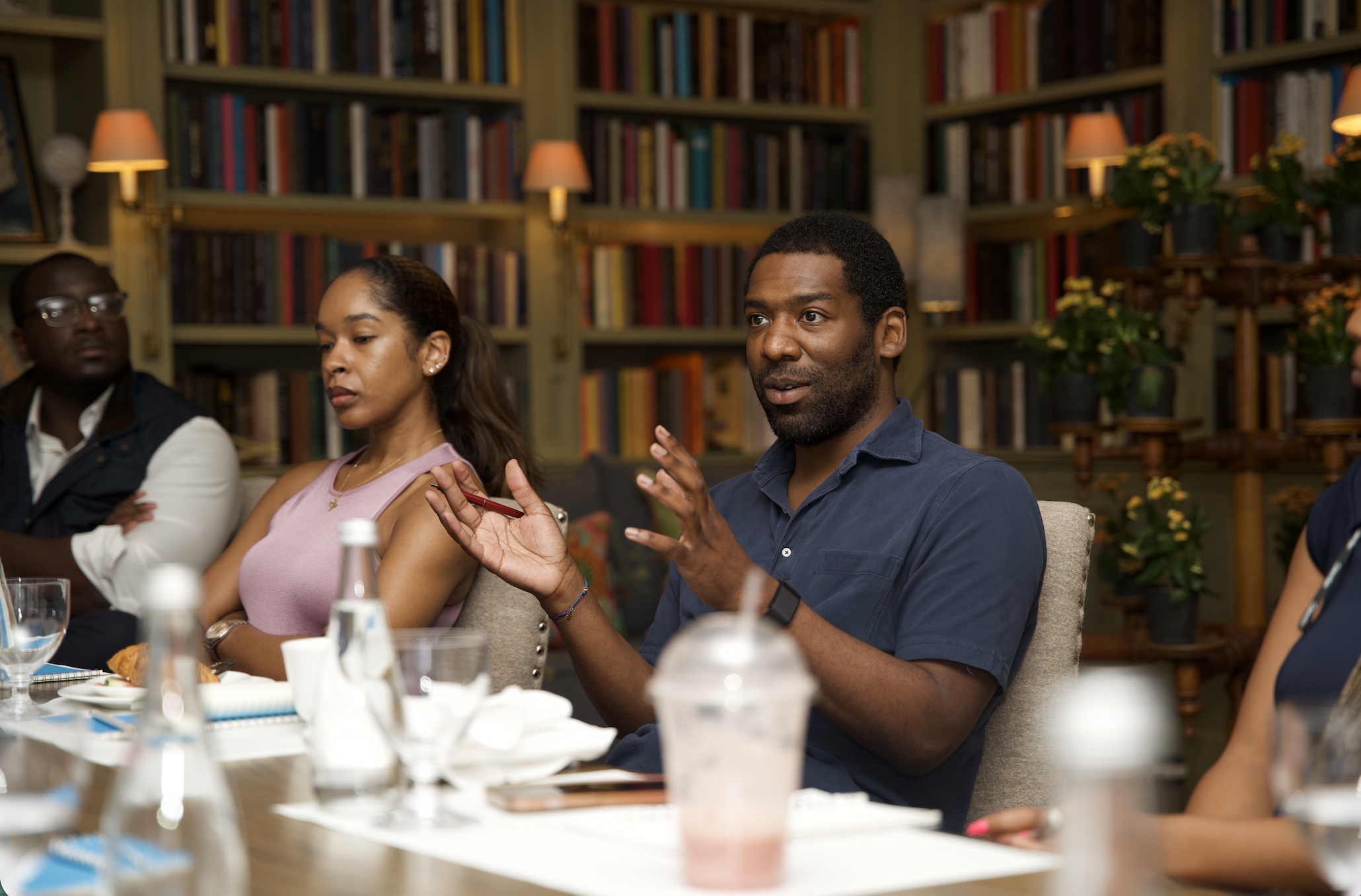
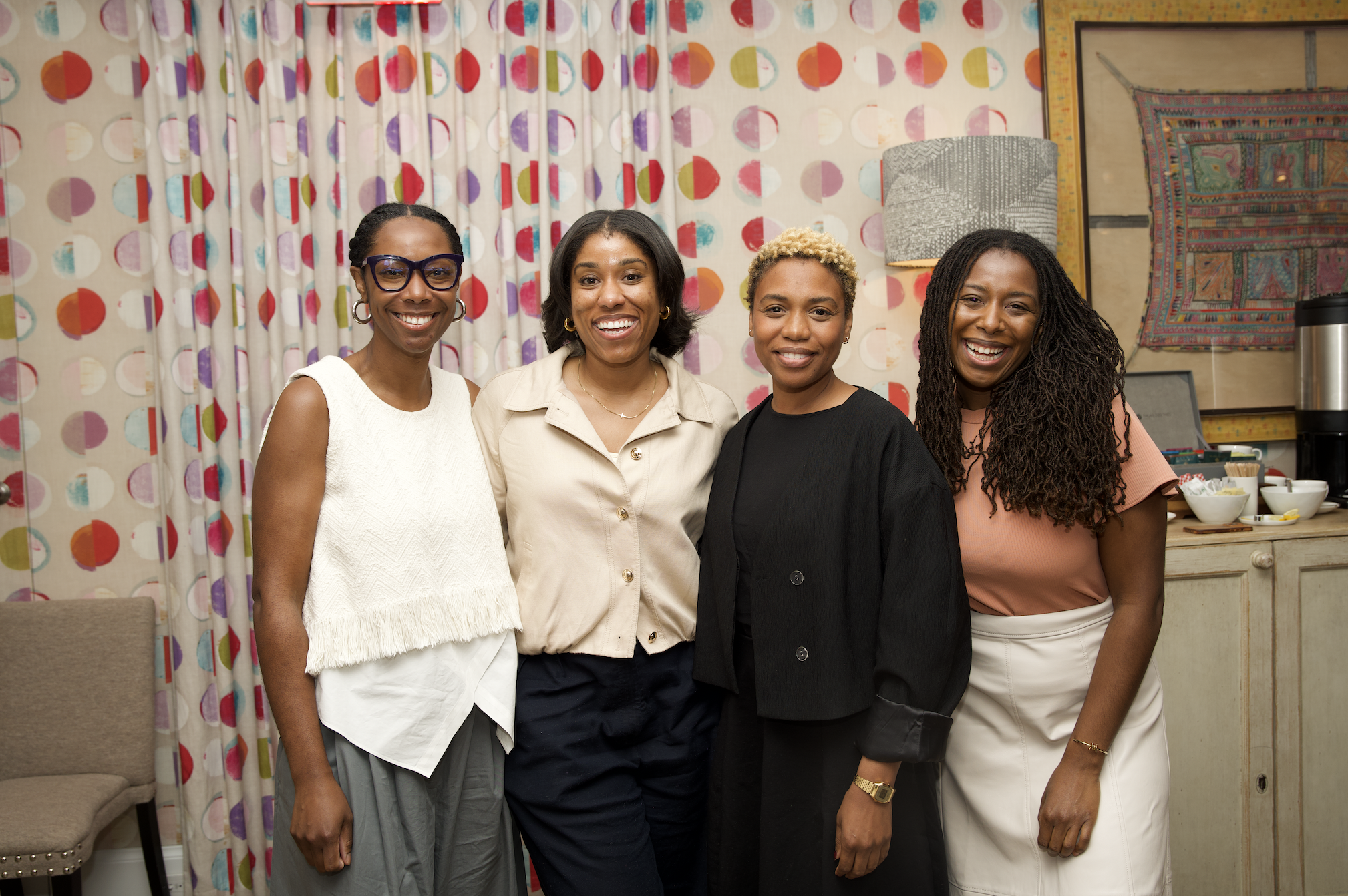
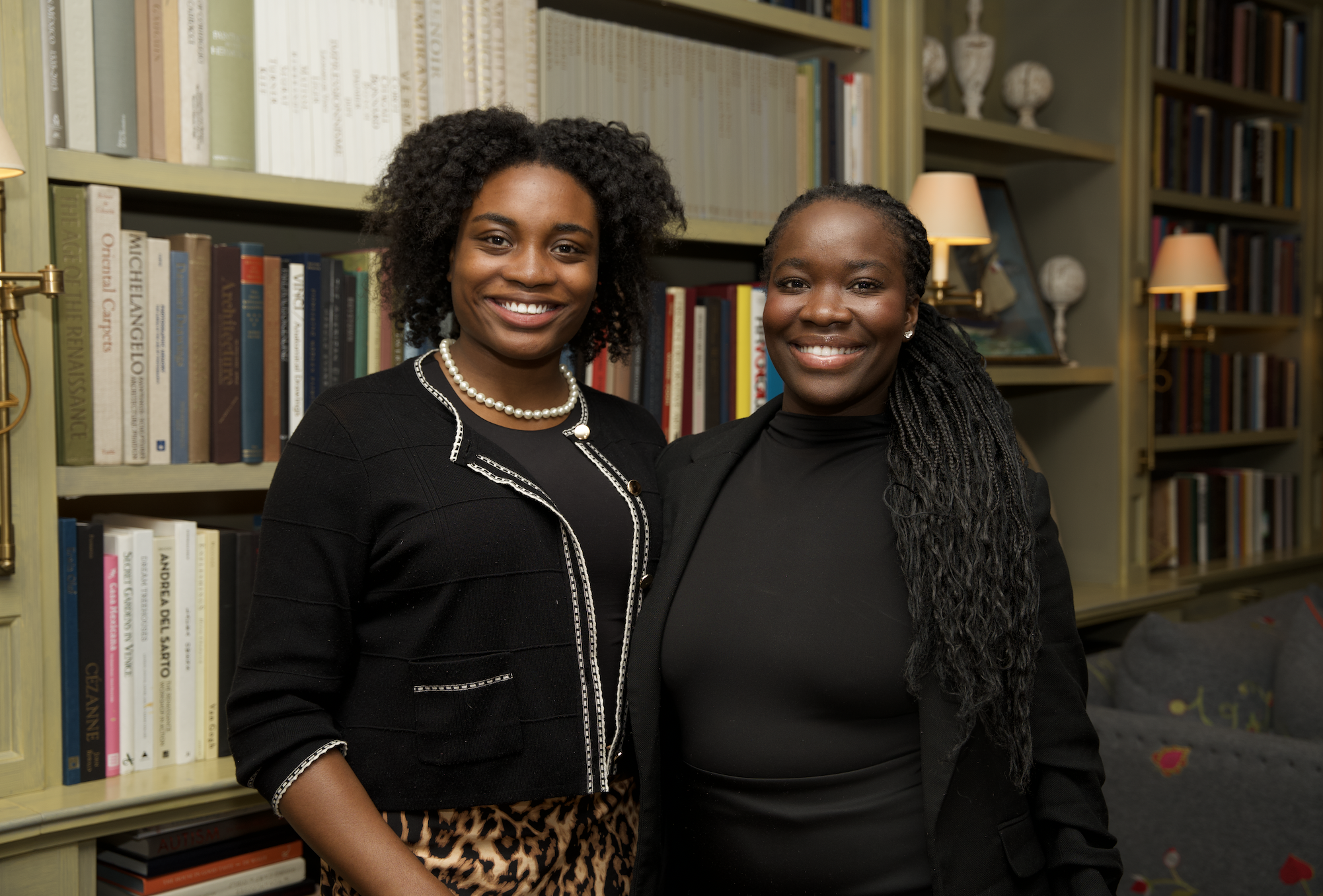
Each day functioned as its own standalone experience, anchored by an industry panel, mentor roundtables, and hands-on workshops. But the format stayed consistent all week: intimate, unscripted conversations where speakers said the things that don't usually get said in professional settings.
Monday: Computer Science & Engineering — Equity, Risk, and Two Different Paths to the Same Goal
The week opened with a conversation about something many young engineers don't fully understand until it's too late to negotiate for it: equity. Compensation in tech is rarely just a salary, and students spent the morning unpacking what stock options, RSUs, and ownership actually mean for a career just getting started.
The panel — Dipo Areoye (Snap), Ruth Mesfun (Zillow), and Max Allen (Salesforce) — offered two distinct blueprints. Dipo, a serial entrepreneur, has built wealth by taking on risk again and again, choosing the uncertainty of founding over the stability of a single employer. Max has built a career across major tech companies, learning to navigate equity and compensation from inside some of the industry's largest organizations. Between them sat Ruth, whose path didn't move in a straight line at all — she started in marketing before pivoting into engineering, a reminder that the road to a technical career doesn't have to start with one.
The common denominator wasn't the path. It was the decision to understand the financial mechanics of a career, rather than letting them remain a mystery.
Tuesday: Finance — The MBA Question and the Long Game
If Monday was about understanding equity, Tuesday was about understanding patience — and when patience runs out.
The panel brought together Nathan Jones (Kapor Capital), John Eshirow (CD&R), and Briana Carter (Harbourview Equity Partners) — a striking range of career trajectories. Nathan spoke about his work at the Village Micro Fund before moving to Kapor, where his focus has shifted toward impact-driven investing though his goal is always to provide patient capital. Briana described years of demanding work in investment banking before she took a leap to join Harbourview as an early employee, choosing risk over routine. John, with a private equity background, talked candidly about the trade-off many people in finance face: putting in grueling early years in exchange for the option, later, to walk away and build something else entirely.
One of the most energetic parts of the day wasn't on the original agenda. A debate broke out over the value of an MBA — when to get one, what it's actually for, and whether two years and significant tuition are better spent in a classroom or getting hands-on experience in the workforce. There was no consensus, which may have been the most useful outcome of all: there is no single right answer, only the one that fits a particular career and a particular set of goals.





Wednesday: Social Impact — Purpose Without Sacrificing Prosperity
Wednesday's group carried a different energy: leaders who had built careers across corporate America, government, and big tech, all while keeping purpose at the center of their work.
The panel — Edwin Nelson (Target), Lauren Sills (NBA Foundation), and Tasia Hawkins (YouTube) — pushed back on an assumption many students walked in with: the idea that meaningful work and financial security are somehow opposites. The conversation returned to the same wealth-building framework that had come up throughout the week — ownership, equity, income, and investments — applied not despite a purpose-driven career, but alongside one.
What set Wednesday apart wasn't the framework. It was the vulnerability. Every speaker spoke openly about the harder parts of their career — the doubts, the compromises, the moments that didn't look like success in the moment. By the end of the day, the room understood that purpose and prosperity were never meant to be a trade-off in the first place.
Thursday: Entrepreneurship — Wealth as a Tool for Risk
The week closed with its most unfiltered conversation yet. Thursday's panel — Sean Mitchell (Ryse), Danielle Robinson (Beyond Ambition), and Cherae Robinson (Flybridge) — didn't shy away from the parts of entrepreneurship that don't usually make it into a pitch deck: companies that closed, pivots that came from necessity, and the decision to keep building anyway.
One story captured the day's spirit entirely. Sean Mitchell, founder of Ryse, had worked as a trader before founding his first company — a venture-backed business he eventually had to shut down. Thirteen days later, he started Ryse after recognizing a new problem worth solving. The lesson wasn't about avoiding failure. It was about what becomes possible when wealth is treated as a tool — something that buys the freedom to take a risk, absorb a setback, and try again almost immediately.
What Students Are Taking With Them
In post-program surveys, students didn't point to any single panel as the highlight — they pointed to the room itself: founders, executives, and investors, all at one table, speaking candidly. That candor, several said, was the most valuable part of the week, and watching peers their own age already building toward long-term wealth was as motivating as anything a speaker said.
The follow-through has already started. Students left naming concrete next steps — setting up a first investment portfolio, staying disciplined on revenue-generating work, reaching out to build a professional network in a specific city or field. One student summed up the week simply: it brought clarity to the path they were already on, and new ideas for where to take it next.
The numbers backed up what students said in their own words. Every respondent rated the speaker lineup a perfect 10 out of 10. Overall experience and likelihood to recommend the program to a peer both averaged 9.6 out of 10, with every student scoring their experience an 8 or higher. Career relevance — the most subjective measure on the survey — still averaged above 9 out of 10.
Looking Ahead
Startup School was more than a four-day program — it was a launchpad. For some, it was their first real exposure to the mechanics of building wealth: equity, negotiation, investing, ownership. For others, it affirmed paths they had already started down. Collectively, it was a reminder that the conversation about wealth-building belongs to HBCU talent, too.
We are proud to have created a space where HBCU alumni gained not just knowledge, but a community of speakers and mentors who will continue to support them long after the program ended. The future of finance, tech, social impact, and entrepreneurship is brighter because of them.
HBCUvc Startup School: Pathways to Wealth brought together 30 HBCU graduating seniors and recent alumni for four days of industry-specific panels, mentorship, and hands-on workshops focused on practical wealth-building strategies.
